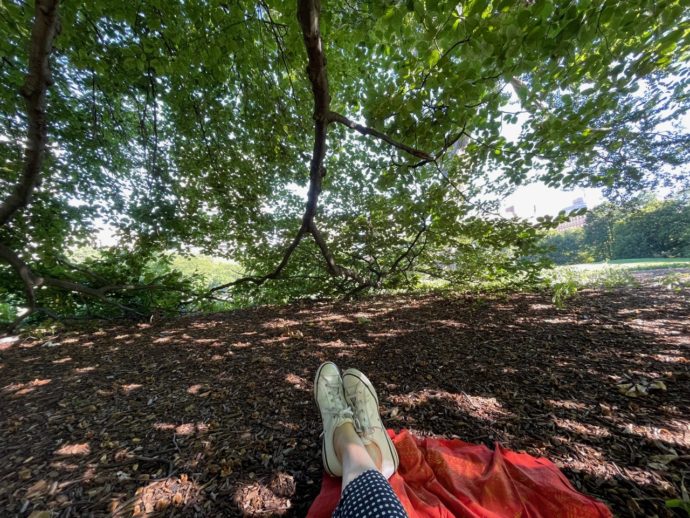
Recently, I went to the Museum of Modern Art to see a single painting, a practice I learned long ago from my father. (Though to look at just one work is also the practice of a centuries-old secret society.) For me, it was a way to revel in the perfection of an Agnes Martin painting, even as Martin’s words described the experience, in art and in life.
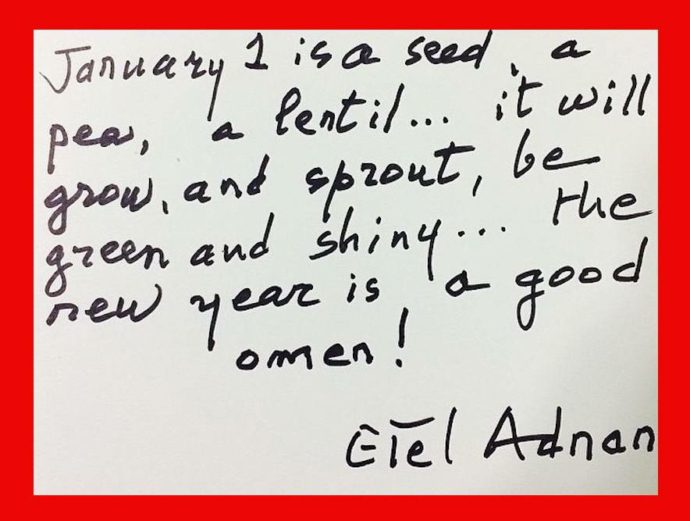
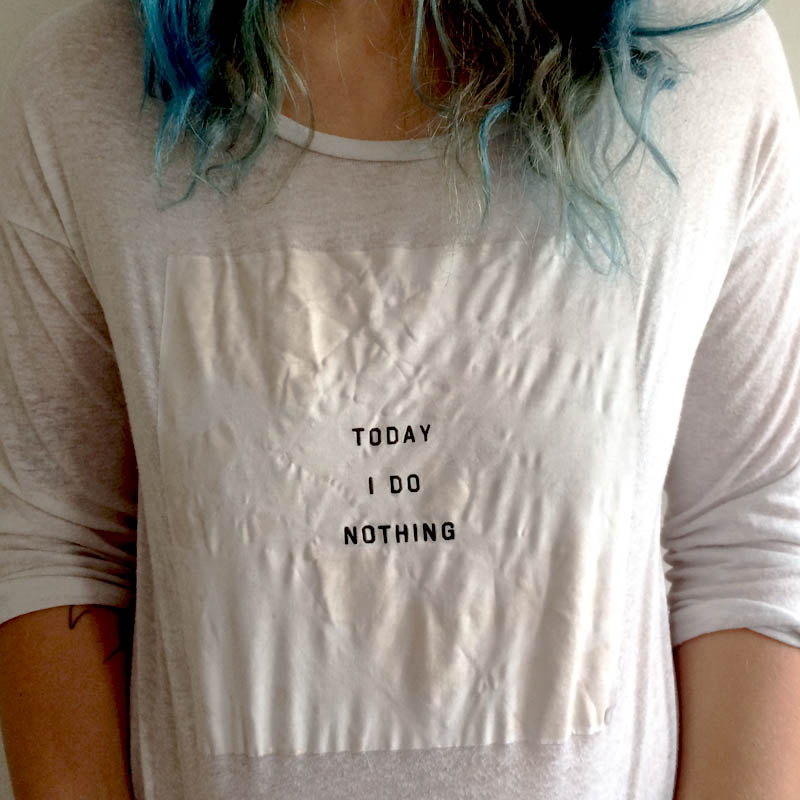
In our long life, we’ve learned a great deal about New Years resolutions from abandoning them so many times that we finally got with the fact that they generally didn’t work. We relate mightily to this wise, funny little video we found in Instagram…
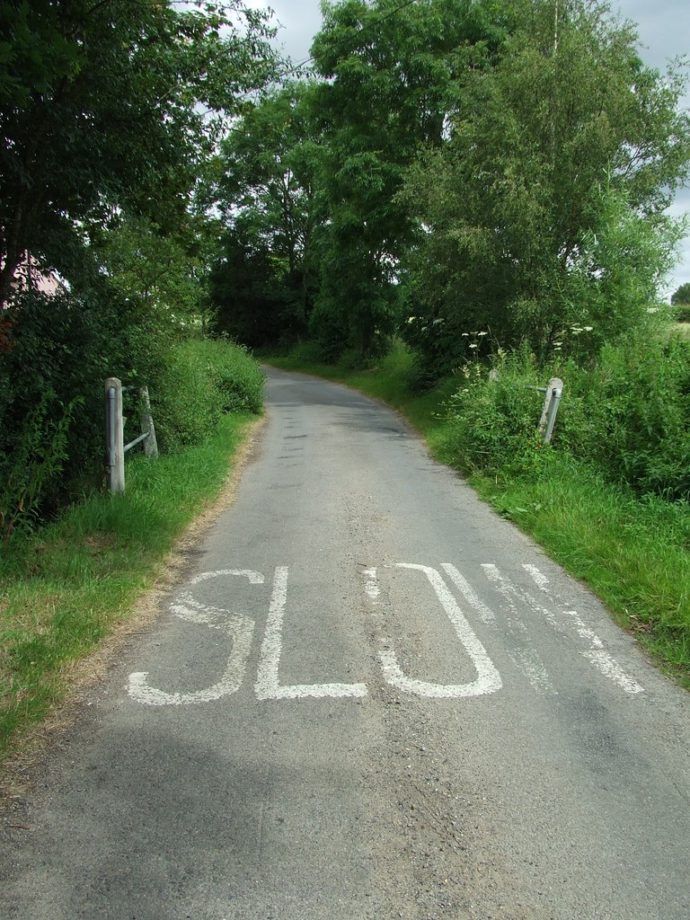
During the months we’ve been slowing down in an attempt to decipher and heal an illness, potent writings on the theme of slow have come to us randomly, lending insight into what we’d been discovering but didn’t quite yet know, and a kind of guidance.
When I heard Wendell Berry reading his poem “How to Be a Poet”, I thought: that’s exactly what I’ve been doing to heal myself of the strange illness I’ve been dealing with.
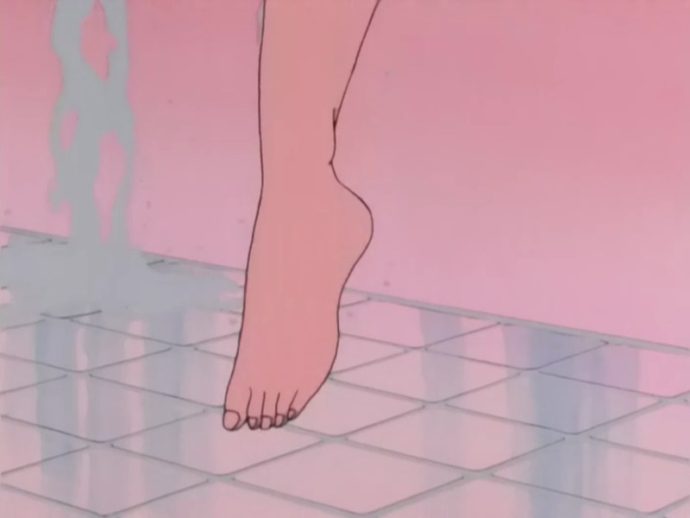
Writing about the public rating of her feet on the celebrity foot database wikiFeet— who knew?!— She describes the strange reality of social scrutiny and all the shit it puts in our heads and that we have to find ways to antidote. Which she does, in the last beautiful paragraph…
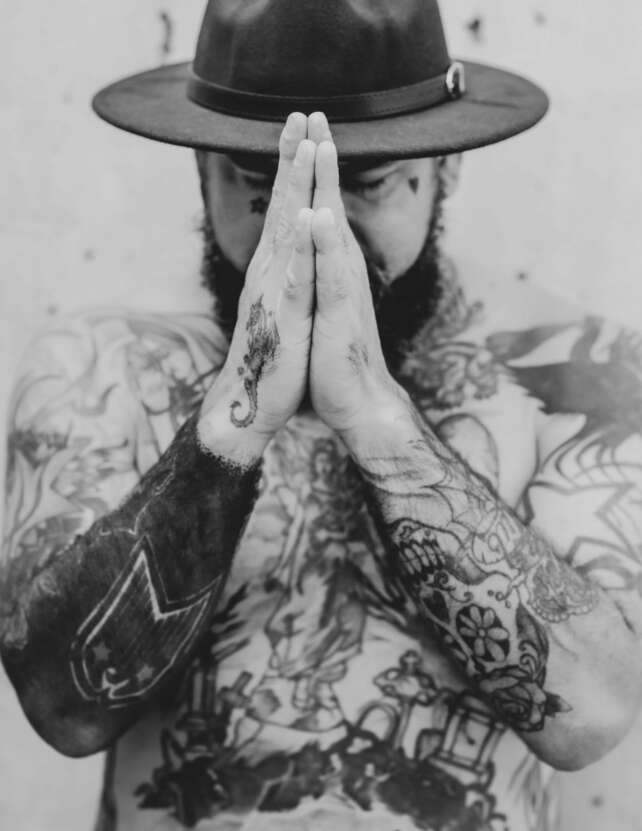
Dr. Vivek Murthy, 21st Surgeon General of the United States and a Yogi Bryan, a wild man meditator we recently discovered, share their quick meditations for regaining connection and calm. Similar practices, VERY different approaches.
The New York Times’ Ezra Klein’s conversation with poet Jane Hirshfield yielded many remarkable insights. But what dazzled us most was her reading of her poem A Cedary Fragrance, and the story behind her writing it, and its big lesson and challenge.
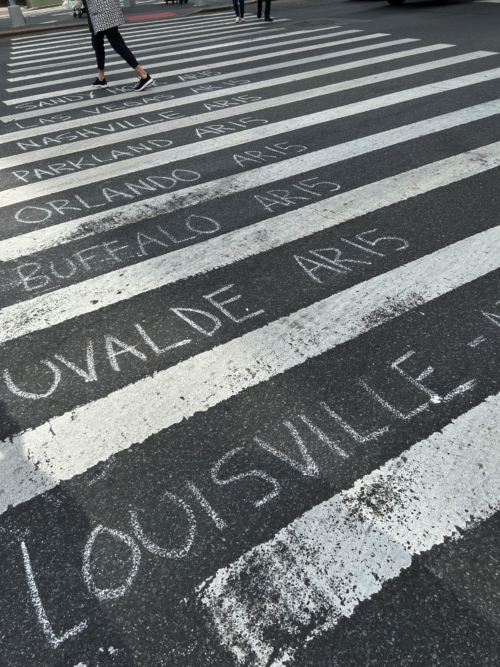
Improvised Life’s vast archive is liberally peppered with posts about guerilla actions: small-scale actions that deploy subversive messages in unexpected ways. A recent one in the middle of a busy New York City crosswalk gets our admiration for its daring, power and simplicity.
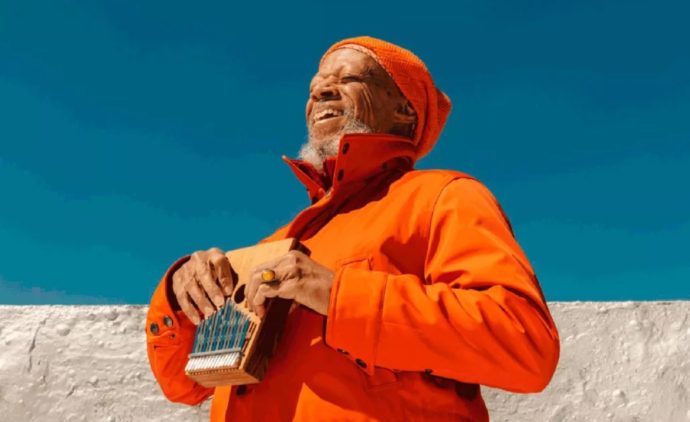
In addition to some interesting music, we found a fat nugget in “Shocking the Consciousness”, Amanda Petrushich’s piece on 80-year-old radical/New Age composer Laraaji in The New Yorker: His online laughter meditations designed to help you generate your own medicinal sound.
Over the years, we’ve come to to view illness as a path that can, if we are lucky or open to it, provide a lot of illumination and healing. When we mentioned this to our remarkable physical therapist Rachel Miller Williams she nodded and offered this surprising view.
We found many compelling ideas in this New York Times interview with Chloe Cooper Jones about her new book Easy Beauty and the disconnect between “our real self and the way that self is perceived”. We’ve been trying out the remarkable technique she learned that she found provides unexpected “agency and peace and power”.
Every birthday of late, wise man Kevin Kelly shares things he learned the hard way in, through living. The lists always offer big fat nuggets of wisdom and illumination, and many things to try. Our favorite addresses our frequent dilemma of not being able to decide between two distinct choices, usually when our linear brain is packed with logical arguments for each one that leave us boggled.
Behavioral scientist Michelle Drouin thinks it’s fine to be dependent on your phone — it’s a useful and illuminating tool — and she doesn’t get with the idea of digital detox. If she feels her screen time is out of balance, she uses a simple practice to shift regain time doing things that mean more to her.
Every week, Suleika Jaouad, creator of The Isolation Journal newsletter “for people seeking to transform life’s interruptions into creative grist”, gives a prompt for readers to think or write about. This surprising prompt about love hit home.
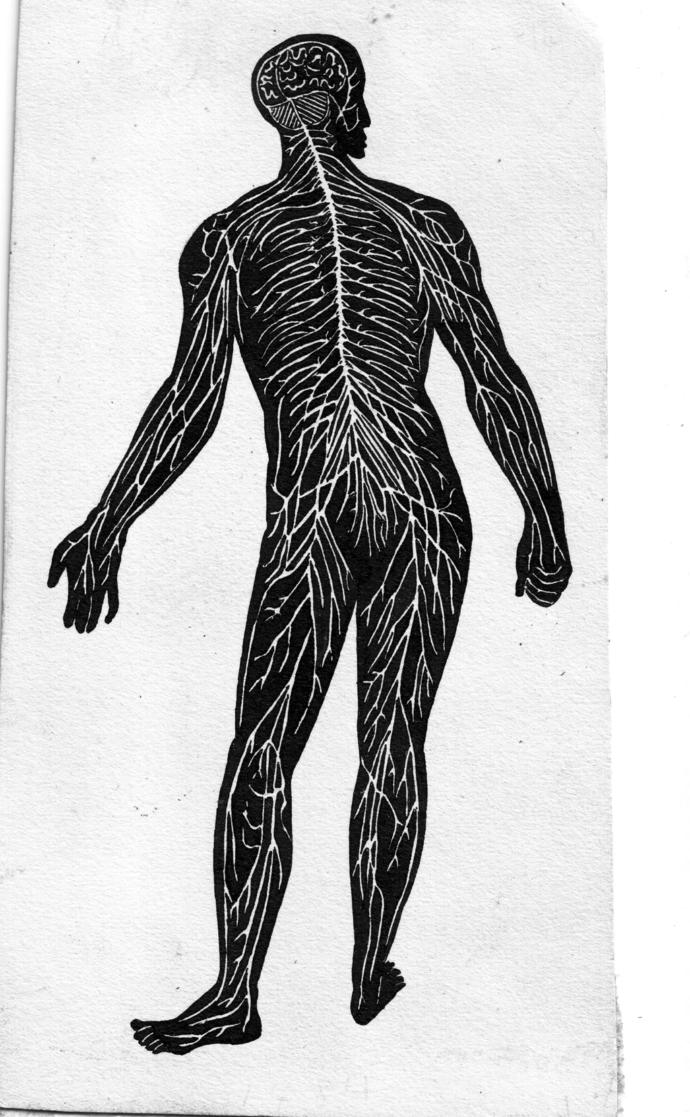
The most helpful 50 minutes I’ve spent recently was listening to What’s Happening in Our Nervous Systems, a podcast from On Being with Krista Tippet. Clinical psychologist Christine Runyan discusses the physiological effects of the past years of pandemic and the profound changes its wrought in daily life. Knowing “what’s been happening on a creaturely level”, I’ve felt better, more grounded, despite the escalation of a new variant.
What if the future of well-being is about “tipping the scales in the world away from fear and toward love”? asks On Being’s Krista Tippett in The Future of Well-Being. This simple premise feels like a guidepost for navigating the extraordinary elevation of fear the past years have brought, wrought by the pandemic, politics fueled by animosity, climate change. We were particularly struck by the idea of “microdosing of well-being”.
Artist, composer John Cage was also a remarkably powerful writer. Over years of reading him we’ve found ourself transformed by even a sentence or two. This one landed in a similar way……We found that shifting the flow of words ever-so-slightly had a surprising effect.
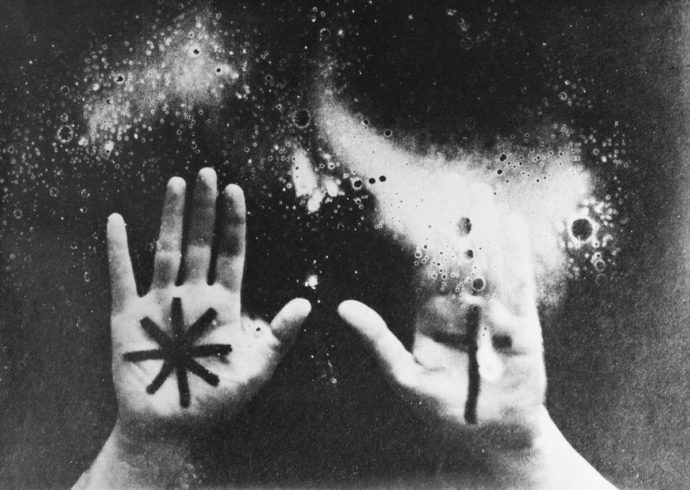
Instead of a mirror over the sink, this bathroom has a framed charcoal portrait. We wondered what it would be like to see an artwork and not dive right into our own image, as we all do first thing in the morning? So we tried it and found it to be a surprisingly potent guerrilla action…
var thickboxL10n = {"next":"Next \u003E","prev":"\u003C Prev","image":"Image","of":"of","close":"Close","noiframes":"This feature requires inline frames. You have iframes disabled or your browser does not support them.","loadingAnimation":"https://improvisedlife.com/wp-includes/js/thickbox/loadingAnimation.gif"};
//# sourceURL=thickbox-js-extra
var js_vars = {"url":"https://improvisedlife.com/wp-content/themes/ippo","admin_url":"https://improvisedlife.com/wp-admin/admin-ajax.php","nonce":"183f013c82","no_more_text":"No more posts to load.","startPage":"1","maxPages":"4","is_type":"scroll","paging_type":"infinite-scroll","posts_type":"posts"};
//# sourceURL=ippo-js-functions-js-extra